BatteryPassport:EUComplianceBeforeFebruary2027
The EU Battery Regulation (EU) 2023/1542 mandates digital battery passports for all EV, LMT, and industrial batteries >2 kWh placed on the EU market. Sunrise 2027 delivers a DIN DKE SPEC 99100-aligned solution — ready before the deadline.
Time remaining until deadline
Which Batteries Need a Passport?
Per Article 77(1) of the EU Battery Regulation, three categories of batteries require a digital battery passport when placed on the EU market.

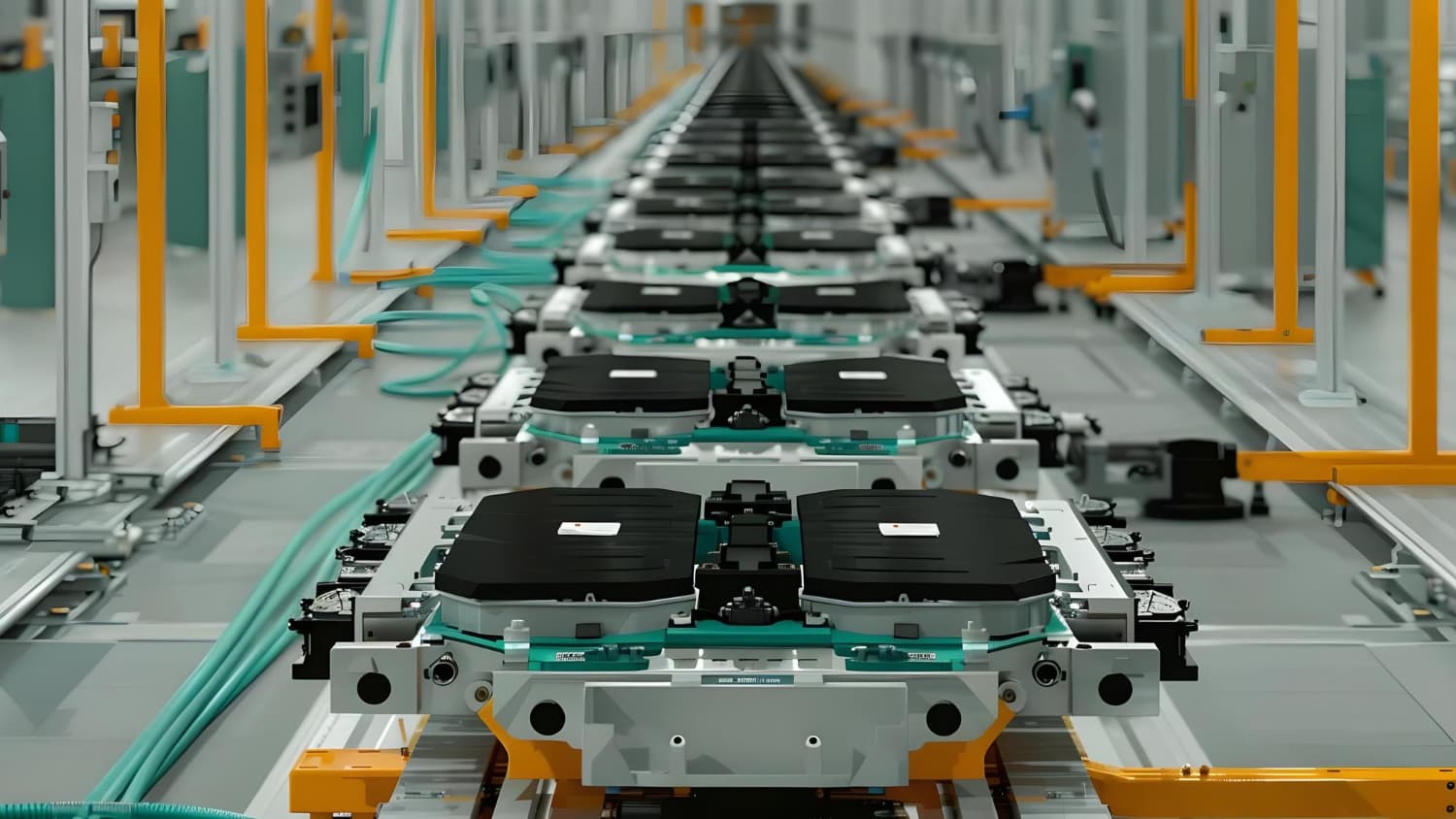
Electric Vehicle (EV) Batteries
Traction batteries for hybrid and electric vehicles of categories M, N, O, or category L vehicles with batteries exceeding 25 kg.
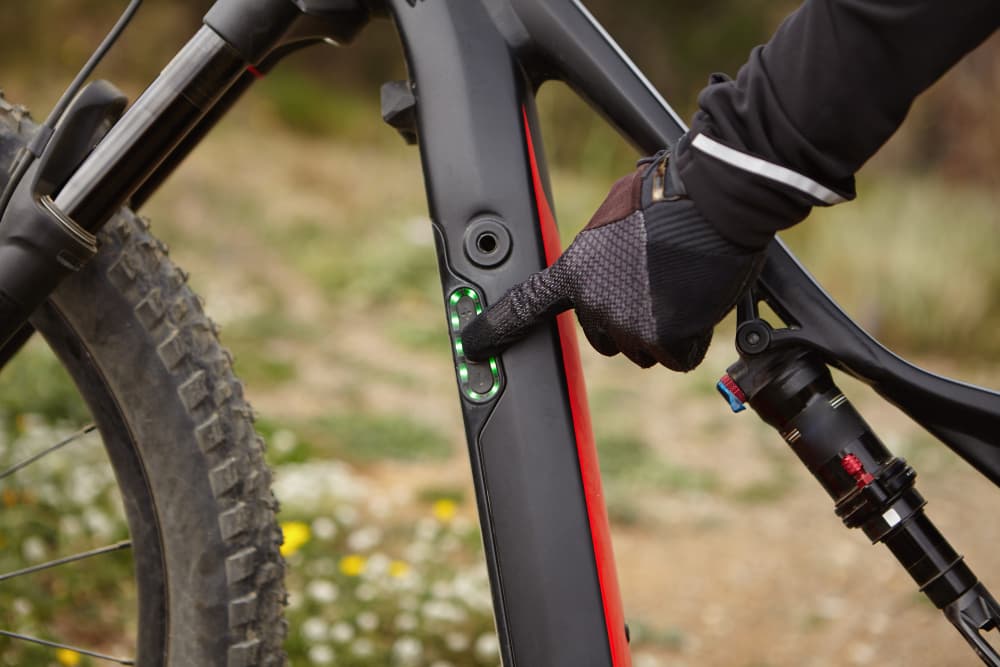
Light Means of Transport (LMT) Batteries
Batteries for e-bikes, e-scooters, and other wheeled vehicles powered by electric motor alone or motor combined with human power, weighing 25 kg or less.
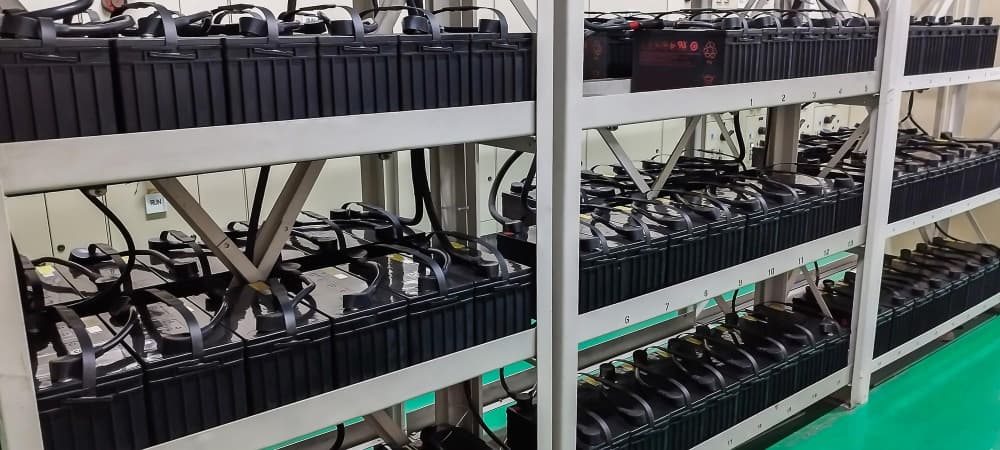
Industrial Batteries >2 kWh
Batteries designed for industrial activities, energy storage, communication infrastructure, and agricultural activities. Includes stationary battery energy storage systems (BESS).
Batteries with external storage (flow batteries) are currently excluded from scope but may require a passport in the future.

7 Data Clusters of the Battery Passport
Per DIN DKE SPEC 99100 and the Battery Pass Content Guidance, every battery passport must contain data from these 7 mandatory content clusters.
General Battery & Manufacturer Information
Battery identifier, manufacturer details, manufacturing date and location, battery category, mass, and status.
Compliance, Labels & Certifications
EU declaration of conformity, CE marking, required symbols and labels, QR code link.
Carbon Footprint
Overall carbon footprint per functional unit broken down by lifecycle stages.
Supply Chain Due Diligence
Due diligence report aligned with OECD 5-step framework, third-party verification.
Materials & Composition
Battery chemistry, critical raw materials, hazardous substances, and environmental impact.
Circularity & Resource Efficiency
Dismantling information, recycled content shares, spare parts, end-of-life guidance.
Performance & Durability
Static rated performance data and dynamic real-time battery health metrics.
Access Control & Data Transparency
The EU Battery Regulation Article 77(2) defines three access groups with different levels of data visibility for the battery passport.

General Public
Battery ID, manufacturer info, carbon footprint, battery chemistry, critical raw materials, hazardous substances, rated capacity, voltage, warranty, labels, recycled content.
Persons with Legitimate Interest (PLI)
Additional access to: materials in cathode/anode/electrolyte, remaining capacity, State of Charge (SoC), State of Certified Energy (SOCE), power capability, internal resistance, temperature data, negative events.
Notified Bodies & Market Surveillance Authorities
Full access to all data attributes including restricted compliance data, complete material composition, and all dynamic performance metrics.
QR Code & Unique Identifier
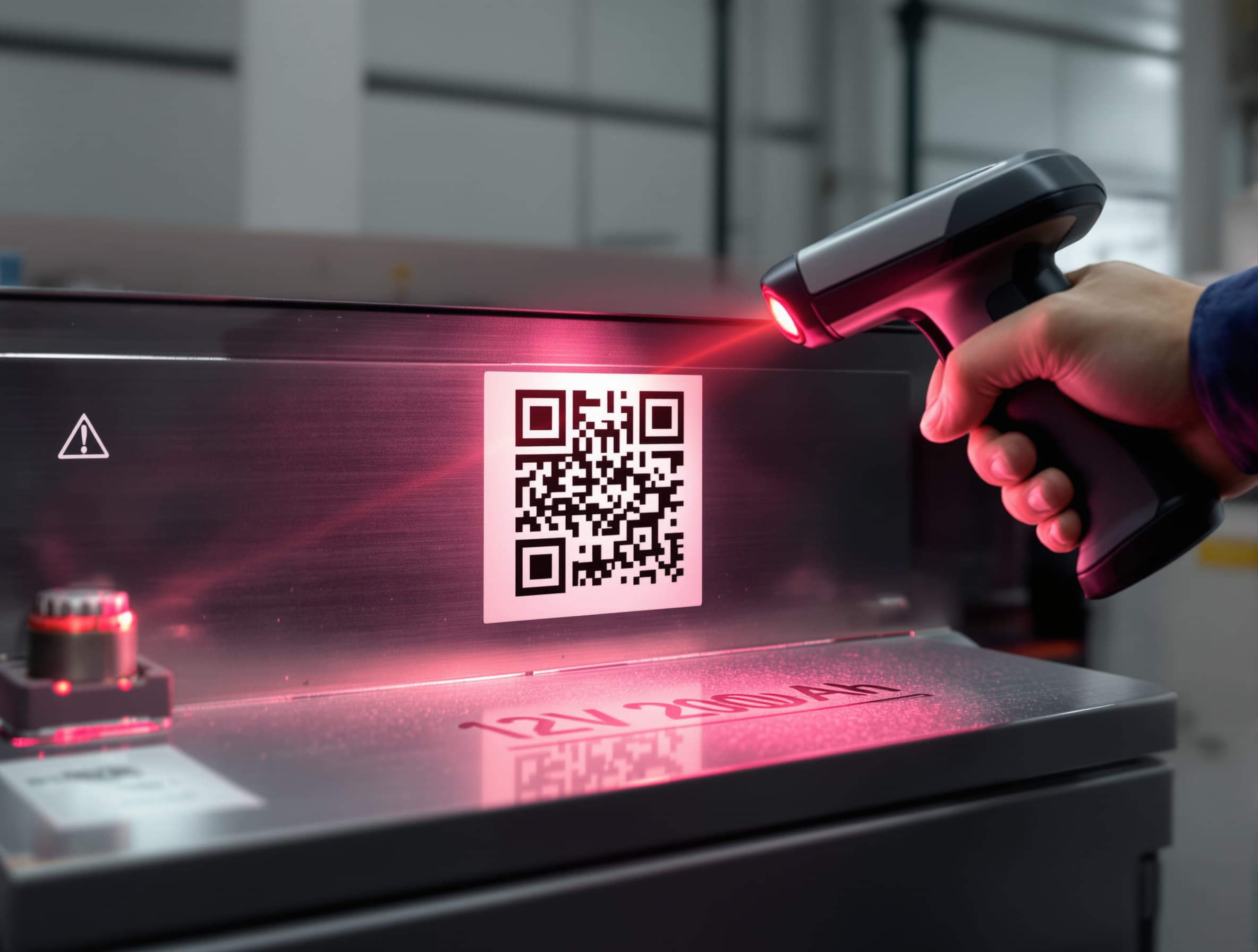
Every battery passport must be accessible through a QR code linked to a persistent unique battery identifier.
The identifier must comply with ISO/IEC 15459 series for unique identification.
QR code must be placed on the battery label, or on the packaging if battery size does not allow it.
A new passport must be issued when a battery undergoes remanufacturing, repurpose, or preparation for re-use.
The QR code provides direct access to the battery passport data with role-based visibility.
Static vs Dynamic Data
The battery passport contains both static data set at manufacturing and dynamic data updated throughout the battery's operational life.
Static Data
Set at manufacturing
Battery chemistry (cathode/anode/electrolyte)
Rated capacity and energy
Voltage ranges (min/nominal/max)
Carbon footprint per lifecycle stage
Materials composition and hazardous substances
Dismantling and recycling information
Recycled content shares (Co, Li, Ni, Pb)
Manufacturer information and warranty
Dynamic Data
Updated during use via BMS
Remaining capacity
State of Charge (SoC)
State of Certified Energy (SOCE)
Remaining power capability
Internal resistance evolution
Self-discharge rates
Temperature conditions
Negative events
Dynamic data determination must be possible without external equipment and applies to batteries using a Battery Management System (BMS) — per standardisation request M/579.
Recycled Content Targets
The EU Battery Regulation Article 8 establishes mandatory recycled content and material recovery targets for batteries placed on the EU market.
Mandatory Recycled Content
From 18 August 2031
Cobalt
16%
Lead
85%
Lithium
6%
Nickel
6%
From 18 August 2036
Cobalt
26%
Lead
85%
Lithium
12%
Nickel
15%
Applies to: industrial batteries >2 kWh, EV batteries, SLI batteries (LMT from 2033/2036).
Material Recovery from Recycling
By 31 December 2027
Cobalt
90%
Copper
90%
Lead
90%
Lithium
50%
Nickel
90%
By 31 December 2031
Cobalt
95%
Copper
95%
Lead
95%
Lithium
80%
Nickel
95%

Battery Lifecycle & Passport Journey
The battery passport accompanies the battery throughout its entire lifecycle, from raw material extraction to end-of-life recycling.
Mining & Refining
Supply chain data captured (static). Due diligence and material provenance documented.
Manufacturing
Cells, modules, and pack assembled. New passport issued when battery is placed on the market.
First Life Use
Dynamic data updated via Battery Management System. SoC, SoH, temperature, and events tracked.
Repurposing / Remanufacturing
Battery assessed for second life. New passport issued upon remanufacturing, repurpose, or preparation for re-use.
Second Life
Continued dynamic data updates. Passport tracks performance in new application (e.g., stationary storage).
End of Life
Dismantling, material recovery, and recycling. Passport ceases to exist after proper disposal.
A new battery passport must be issued each time a battery is remanufactured, repurposed, or prepared for re-use and placed on the market again.
Why Sunrise 2027 for Battery Passports
Purpose-built infrastructure for EU Battery Regulation compliance — covering every data cluster, access group, and lifecycle stage.
DIN DKE SPEC 99100 Aligned
Built to the latest German standardization specification (February 2025), covering all mandatory and recommended data attributes.
All Battery Categories Supported
EV, LMT, industrial >2 kWh, and stationary BESS configurations — all fully supported with category-specific data fields.
Multi-Access Architecture
Role-based access control matching the three BattReg access groups: public, PLI, and authorities.
Dynamic Data Integration
Connect BMS data feeds for real-time SoC, SoH, capacity, temperature, and negative event tracking.
Carbon Footprint Ready
Lifecycle stage breakdown (raw materials, manufacturing, distribution, end-of-life) with performance class labeling.
Circularity & Second Life
Track recycled content shares, dismantling information, and manage passport re-issuance for repurposed batteries.

The EV Revolution Needs Transparent Batteries
As EV adoption accelerates globally, battery transparency becomes critical for consumers, insurers, second-life markets, and recyclers. The battery passport bridges the trust gap — enabling informed decisions about safety, resale value, and environmental responsibility across the entire battery value chain.